
Strongsville Previous Residents by Era
One Strongsville address produces several record trails, and each trail has a different time range and purpose. The recorder identifies recorded property instruments, while MyPlace supplies a current parcel-and-transfer starting point. County Archives carries the older tax, map, and appraisal layers. Library directory research and the federal census can add dated household context. None of these sources alone proves continuous occupancy. The useful result is a source-by-source sequence that records both what is known and what still needs review.
| Source | Years it covers | Where held | What it shows |
|---|---|---|---|
| Strongsville Recorder index and images | 1810-present | Cuyahoga Recorder online search and office | Recorded deeds, mortgages, releases, plats, and legal descriptions |
| Strongsville historic tax duplicates | 1819-1986 | Cuyahoga County Archives | Dated owner and assessed-value leads |
| Strongsville maps and appraisal cards | Maps about 1860-1945; cards about 1935-1970 | Cuyahoga County Archives | Street, lot, dimension, and property-era clues |
| Strongsville suburban directories | 1924-1963 | Cleveland Public Library History Department | Household or address leads when a title covers Strongsville |
| Federal census for Strongsville | Through 1950 publicly released | National Archives and library channels | A dated household and place layer |
For recent Strongsville work, open the parcel first. For an older Strongsville address, begin with the legal description, subdivision, lot, historical street names, and the newest deed reference already found. The table gives Strongsville research scope, not a promise that every name, year, or address is present in every source.
Strongsville Property Records Need Deed Images
MyPlace can be searched by Strongsville city, owner, parcel, or address. A selected Strongsville parcel brings together General Information, Transfers, Values, Land, Building Information, Building Sketch, Other Improvements, Permits, a Property Summary Report, Taxes by Year, Legal Recordings, and informal-review or Board of Revisions activity. Those tabs are a useful inventory of county display material. MyPlace is still a compilation. The county says the underlying custodian record controls, so a transfer on the display should be treated as a lead until the matching recorder instrument has been read.
Keep the Strongsville parcel ID, result address, transfer date, and legal-description wording together. A name hit by itself is not enough. The same legal description, lot, subdivision, plat reference, or parcel reference must connect the display to the deed image. This distinction matters when a Strongsville property has changed street names, when a subdivision survives longer than a street label, or when several owners share a similar name.
Trace Strongsville Previous Residents Through Deeds
The Cuyahoga Recorder's Official Records Search is the controlling path for a Strongsville deed-chain question. Its 1810-present index supports grantor, grantee, subdivision, document type, document number, recorded-date range, index-only searching, and OCR full-text searching. Use a discrete name or document field in the index. Use OCR for an exact multiword phrase in document text. An index result is a finding aid. Read the instrument image, and reconcile its legal description before assigning it to the Strongsville parcel.
Cuyahoga County Recorded Documents identifies the recorder channel used for the backward transfer trail.
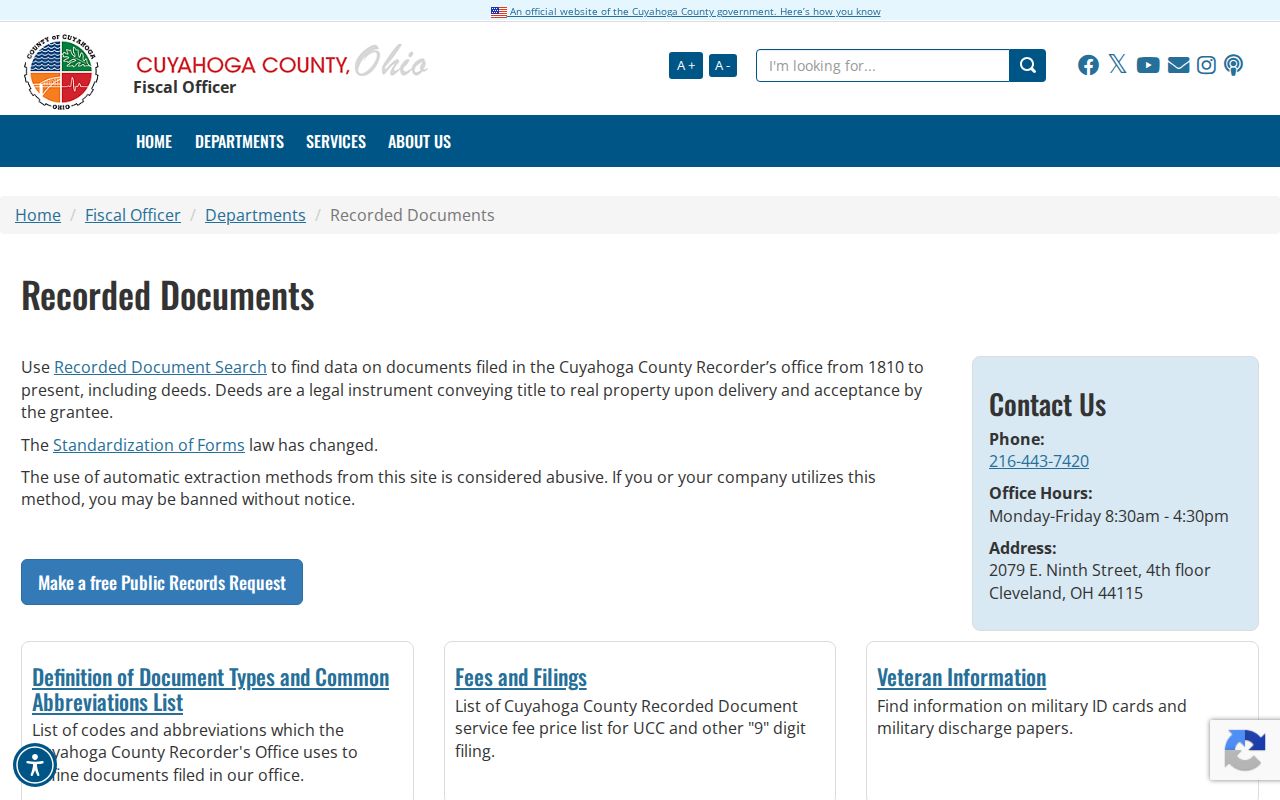
The image is a gateway to the Strongsville record system, not proof about a selected home. The legal description and recorded instrument remain the evidence for a specific Strongsville parcel.
- Find the current Strongsville parcel number and legal description in MyPlace.
- Use the newest recorded grantee or transfer date for the Strongsville parcel to locate the likely purchase instrument in the Recorder index.
- Open the document image for the Strongsville parcel and record its document number, recording date, grantor, grantee, legal description, and cited prior reference.
- Search the seller listed in the Strongsville deed as grantee, then compare the earlier acquisition to the same lot, subdivision, or legal-description language.
- Repeat one confirmed link in the Strongsville chain at a time, stopping when the address form changes until maps and street-name history are reconciled.
- Grantor and grantee
- The grantor transfers an interest in the document. The grantee receives that recorded interest.
- Chain of title
- A linked sequence of Strongsville recorded transfers for the same property interest, checked one instrument at a time.
- Legal description
- The lot, subdivision, metes, or other recorded property description that can remain useful when a Strongsville street address changes.
Strongsville Deed Copies From the Recorder
Once a Strongsville document number is known, ask for that particular instrument rather than a broad name search. The Recorder lists ordinary copies at $2 per page and adds $2 for certification. A one-page certified copy therefore totals $4 under the published schedule, though fees can change. The Recorder is at 2079 East Ninth Street, fourth floor, Cleveland. Its online index helps locate a Strongsville instrument, while the office copy route is useful when a document needs formal verification.
The Recorder fees and filings page is the current source for copy and certification charges.
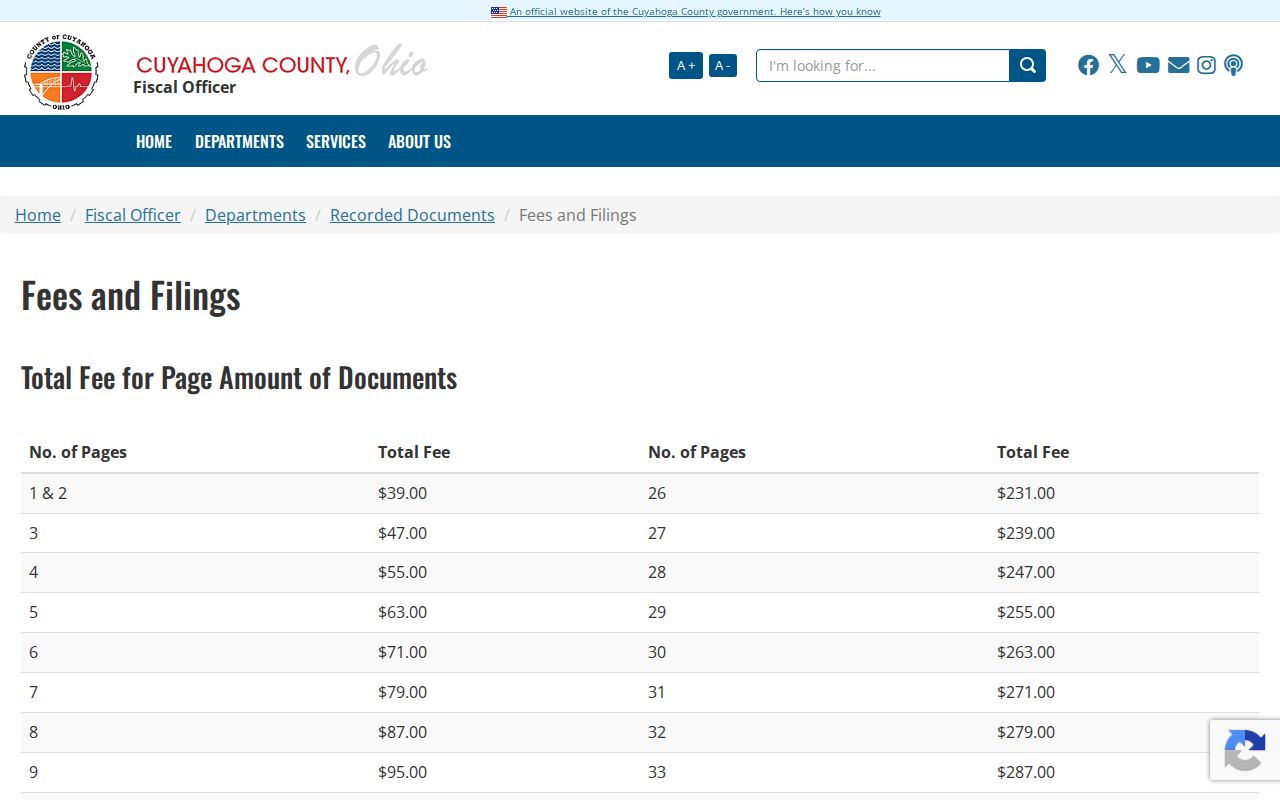
Using a precise Strongsville instrument number makes the request narrower, easier to audit, and less likely to mix unrelated properties or people.
Strongsville Street Records Need Historic Names
Address continuity is a local trap. Strongsville began as a township in 1818, became a village in 1927, adopted a charter in 1958, and became a city in 1961. Older maps, tax records, and deeds can use township or village language. Street names changed too. Table G records Depot Road becoming Westwood Drive in 1944 and Old Royalton Road becoming Cheerful Lane in 1958. Both the original and current forms belong in the research notes with the ordinance year.
A renamed Strongsville road does not always mean every historical reference maps neatly to the modern road. The ordinance can concern only part of a route. Compare the Strongsville house number as printed, legal description, subdivision, map date, and source before deciding that two descriptions identify the same property.
Strongsville Previous Residents at County Archives
County Archives extends the Strongsville prior-resident trail beyond a modern parcel card. Its property guidance directs researchers from a Strongsville address or parcel to old deeds, then to historic maps and tax duplicates. Maps from about 1860-1945, tax duplicates from 1819-1986, and appraisal cards from about 1935-1970 can help test a period, a property description, or a change in assessed value. The archives recommends retaining changes in parcel dimensions, street names, and legal descriptions instead of forcing old material into the current Strongsville address.
Cuyahoga County Archives is the office for this historical property layer at 3951 Perkins Avenue in Cleveland.
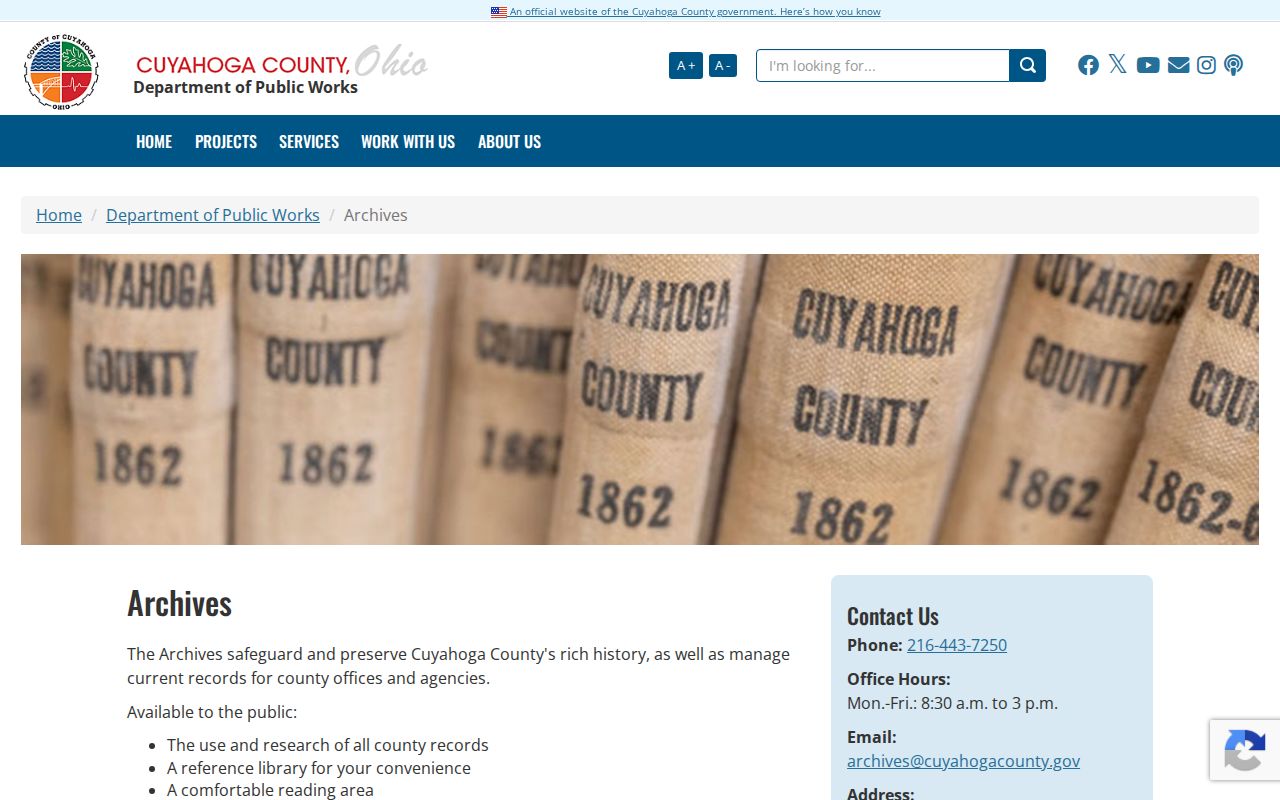
Arrange a Strongsville property-research visit with the current address or parcel, all known street variants, subdivision, lot, document reference, and date range ready for the reading-room request.
Strongsville Previous Residents in Census Layers
Strongsville owners and occupants are not interchangeable. A recorded deed identifies parties to an instrument, while a directory or census can supply a Strongsville household clue for its own date. Cleveland Public Library's guide documents suburban directory microfilms from 1924-1963 and identifies the 1954 Berea Directory as a Strongsville-inclusive volume. No Strongsville criss-cross directory run was verified, so do not assume a reverse address section exists. The latest public federal census is 1950 as of the research date.
The collection details and entry-reading limits are kept with the Strongsville directory book. Here, use a qualified directory title and census year to test a parcel-era timeline, not to recreate the collections themselves.
- Choose a directory volume that explicitly includes Strongsville and capture the title page, year, locality heading, page, and exact entry.
- Compare the printed Strongsville address with the parcel's historical street-name and legal-description notes.
- Pair the Strongsville directory year with the nearest public federal census and retain the census citation.
- Use Strongsville tax, map, recorder, or probate material to test a mismatch rather than assuming the person moved or died.
Strongsville obituary and necrology indexes can help locate a cited newspaper notice. They are leads, not a substitute for the printed page. Capture the newspaper title, publication date, page, and image before treating a notice as evidence in a Strongsville address history.
Lawful use. Strongsville previous-residents research suits house history, family history, and source verification. Do not use a public-record trail to harass, track, or contact a living person.
Strongsville Previous Residents Need Filing Verification
Cuyahoga Recorder's Property Alert can watch a name or keyword used in Strongsville property research and email notices after relevant indexed filings, including tax liens and releases. It is a monitoring aid only. An alert does not establish title, prove that a filing affects a particular parcel, confirm occupancy, or show that a transfer is genuine. Open the actual document and compare its legal description to the Strongsville parcel before drawing any conclusion.
Cuyahoga Property Alert explains the recorder's monitored-filing option.
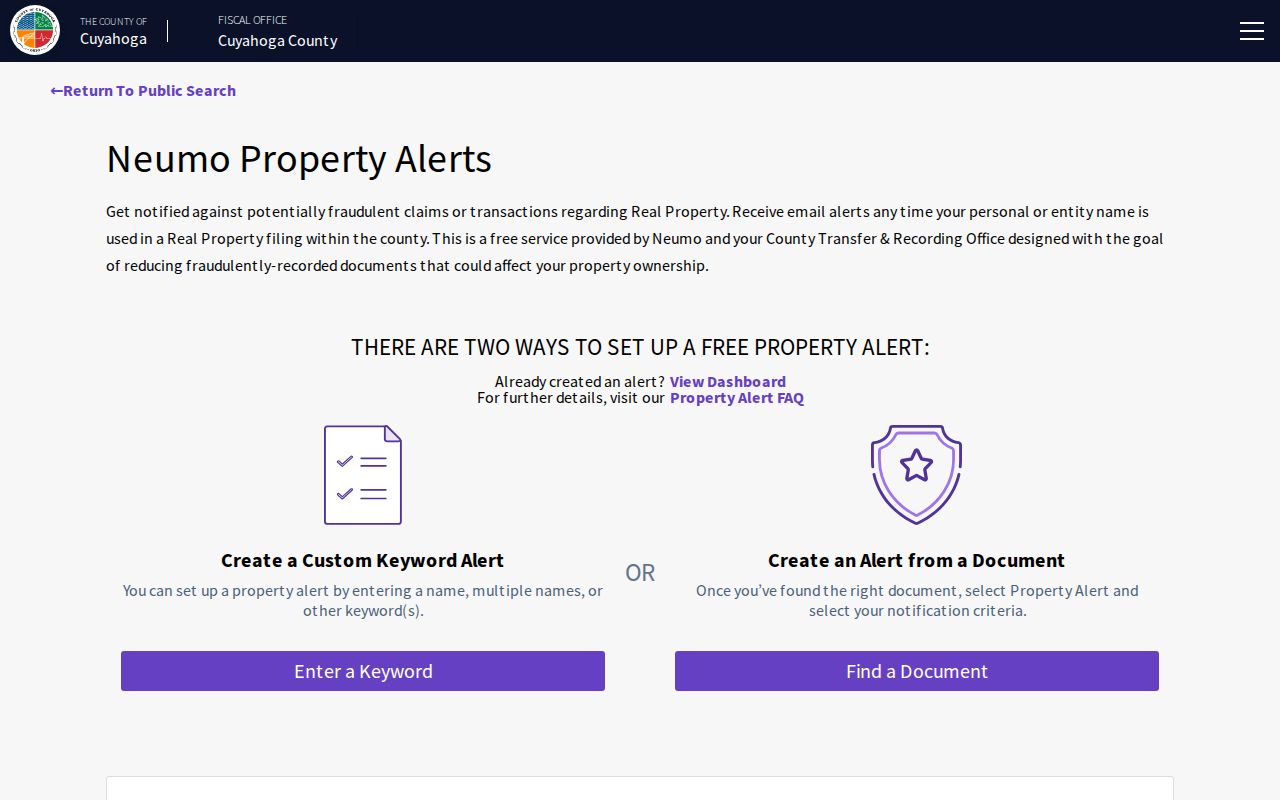
The alert works best after a Strongsville document trail has already established the correct name and property reference; it does not replace an instrument-by-instrument chain.
Strongsville Previous Residents Need Place Context
The Strongsville Historical Society's CatalogIt photo archive can add a Strongsville streetscape or landmark layer to an address history. Search by Strongsville old road names, subdivisions, schools, civic buildings, and landmarks, then keep the item metadata and caption with the finding. A historical photograph may support a place description only to the extent its collection record does. It is not evidence that a particular individual lived at a Strongsville location unless the collection explicitly documents that fact.
The Strongsville Historical Society photo archive is the local source for this carefully limited place research.
Strongsville photo metadata belongs beside, not in place of, the parcel, deed, map, directory, or census citation that supports a specific address-history statement.